In recent years, the "coal ban" zones have expanded significantly. With scattered coal use strictly prohibited, rural heating has lost its traditional methods. Some switched to electricity, others considered gas, yet many areas quietly adopted biomass pellet stoves as the standard solution. Why this option over others? Let's compare them one by one.
1. Which option to eliminate first
Coal (loose coal)Priority targets for air pollution control: banned from use due to heavy pollution and carbon monoxide poisoning risks. Immediate disqualification.
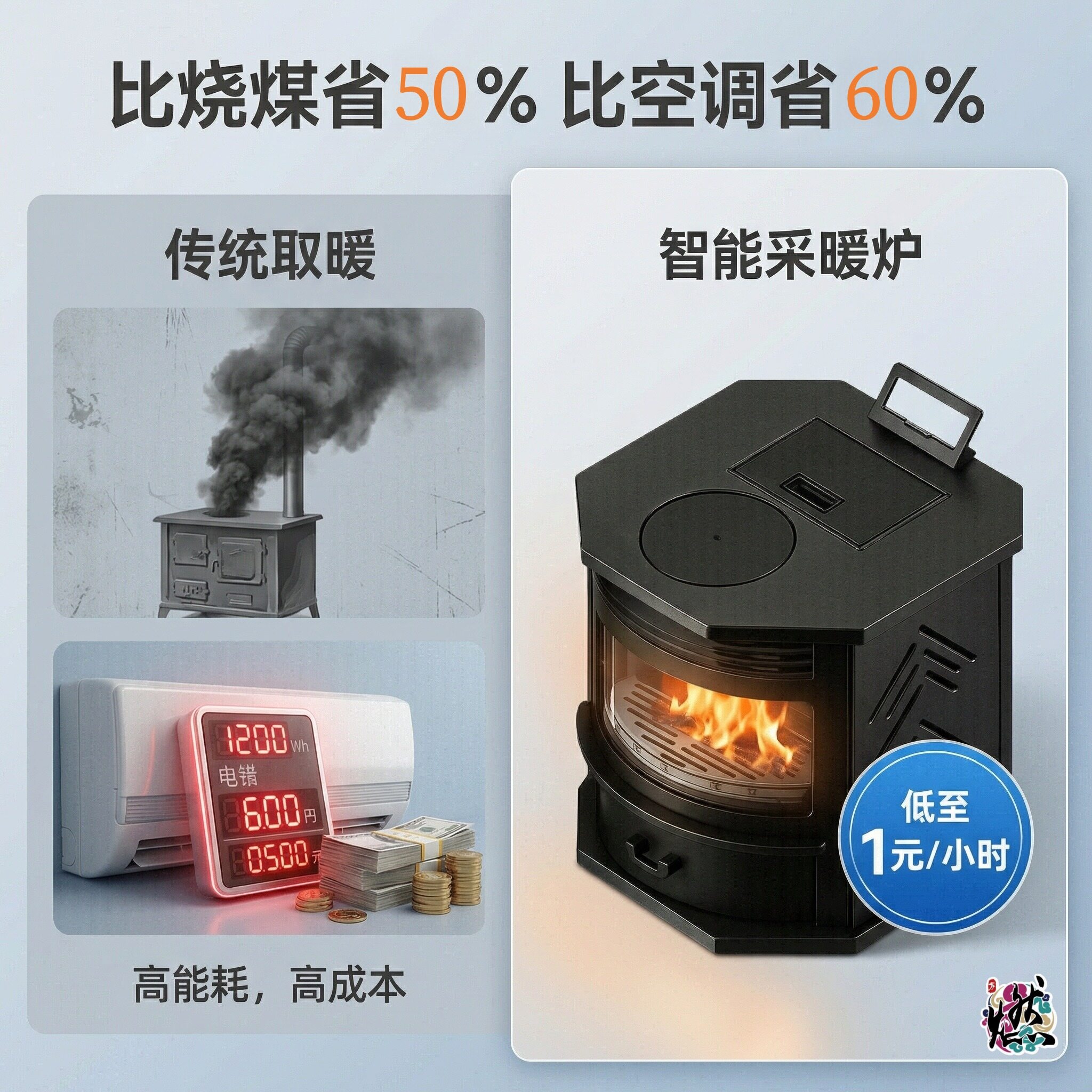
electric heatingClean, but expensive to run. Electricity costs about 0.5~0.6 yuan/kWh. For large areas or long-term use, winter bills can easily reach thousands of yuan—unaffordable for most households.
Gas (Natural Gas)Most rural areas lack pipeline infrastructure, and installation costs are high. Even where pipelines exist, prices fluctuate, and there are risks of leaks and explosions—making this option impractical for remote villages.
Biomass pellet stove: The remaining "high achievers."
2. Its advantage lies in the "Triple Alignment."
1. Cost-Effective — Cheaper than electricity, compliant unlike coal.Biomass heating costs approximately0.32 yuanIt costs about half as much as electric heating. Compared with raw coal, it is legal, clean, and produces no black smoke. For budget-conscious farmers, the math is straightforward.
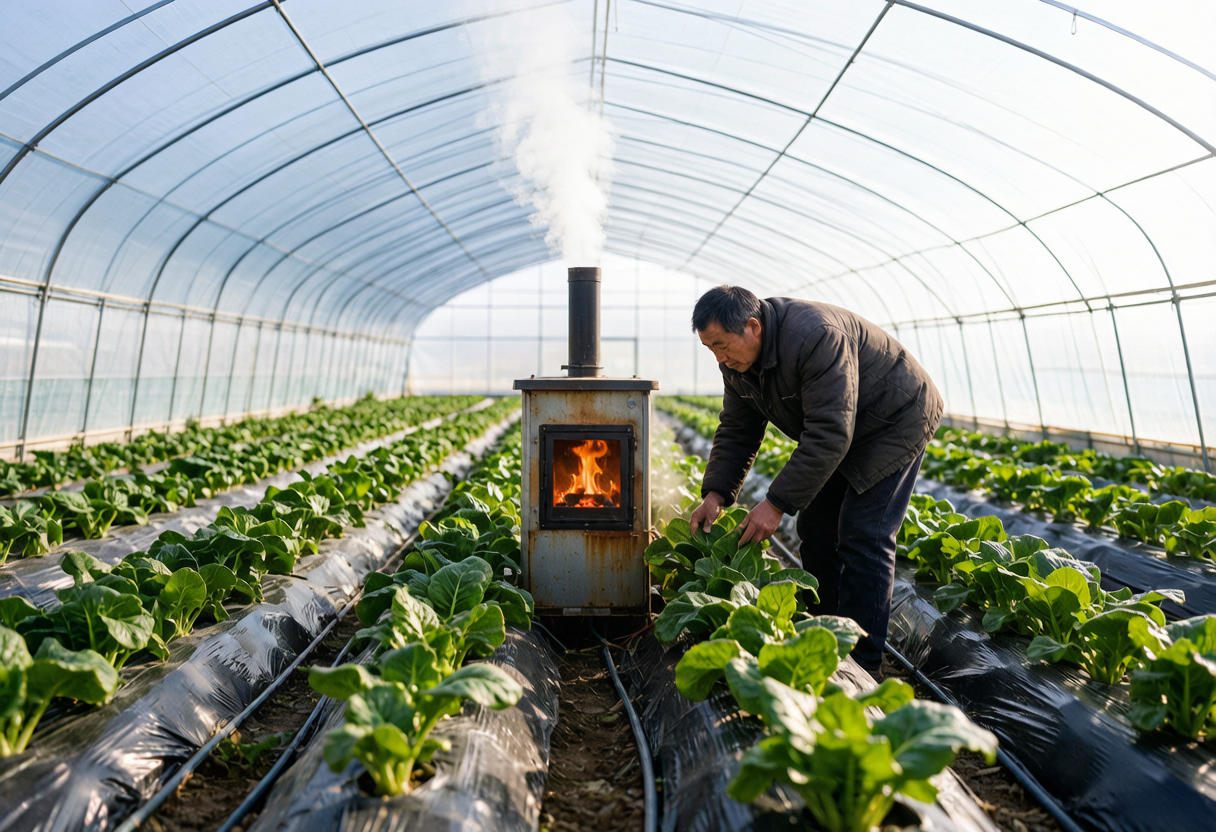
2. Resource Synergy: Turning Crop Residue into WarmthPellet fuel is made from agricultural residues such as straw, wood chips, rice husks, and branches. Collecting, compressing, and burning them locally not only eliminates the pollution caused by open-field straw burning but also saves farmers money on heating costs—a classic example of turning waste into value.
3. Policy Alignment – National Priority DirectionClean heating has been a central policy priority for multiple consecutive years. The industry is backed by core documents such as Document No. 1537 of [Year 2024] issued by the National Development and Reform Commission's Energy Department, Document No. 669 of [Year 2025] from its General Office, and Document No. 3 of [Year 2021] from the National Energy Administration's New Energy Bureau. Biomass clean heating is an encouraged sector; equipment is exempt from environmental inspections, and users may apply for dedicated heating subsidies.
3. How to Claim the Subsidy: A Two-Way Benefit
Consumer SideWhole-village renovation qualifies for local clean heating subsidies; some areas may also stack national appliance subsidies (approximately 15%).
Fuel Side: Using biomass pellets qualifies for partial tax exemptions, further reducing operating costs.
In short, users save on purchases, save on usage, and get additional rebates—three layers of savings make this the obvious choice.
IV. How Fang Ran Can Solidify This Initiative
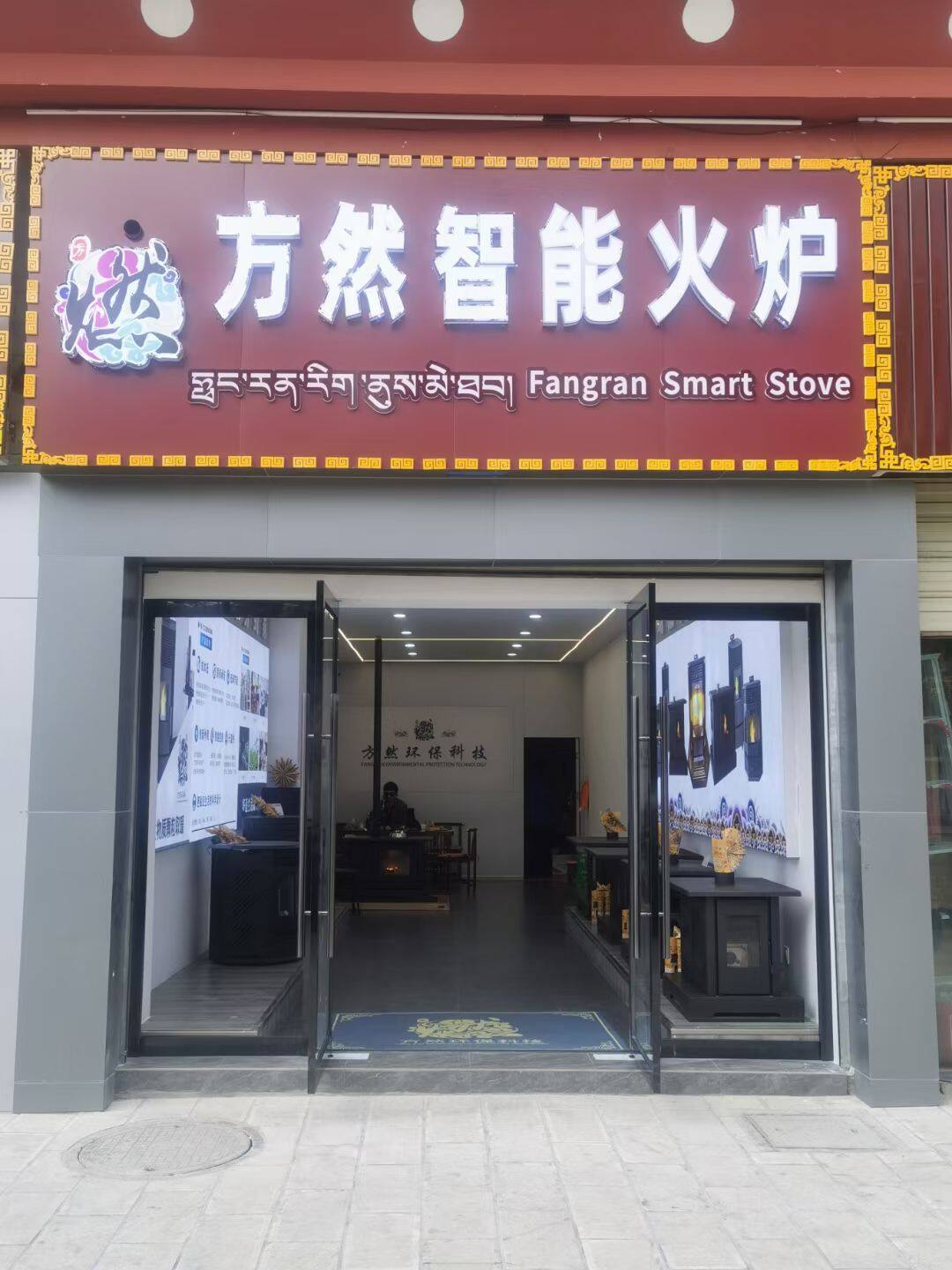
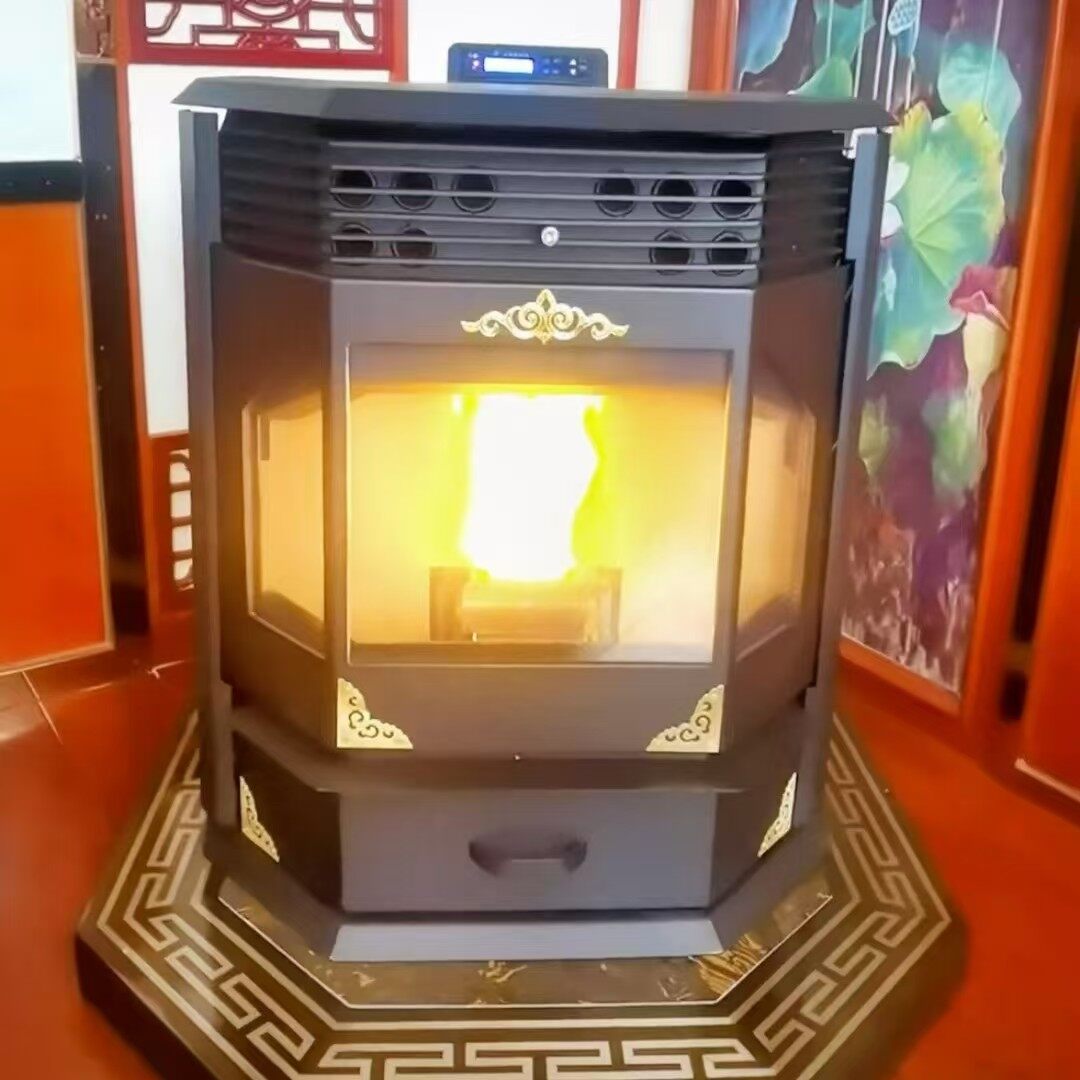
Fangran Smart Pellet Stoves: Six Series Covering Residential, Commercial, Agricultural, and High-Altitude Applications with Up to 90% Thermal Efficiency85%Level 1 energy efficiency, comprehensive safety protection, and round-the-clock after-sales support. More importantly—it's not just about selling a stove; it comes with a complete配套 system.Fuel Supply, Installation Guide, O&M Troubleshootinga comprehensive system that enables farmers to afford, operate, and maintain it.
For rural areas, a stove that reliably withstands winter, stays within budget, and qualifies for subsidies is the most practical choice.
This article is for technical education purposes. Policy documents are subject to the latest updates from relevant authorities. Subsidy standards vary by region; please refer to local policies and official statements from Fangran for specific details.