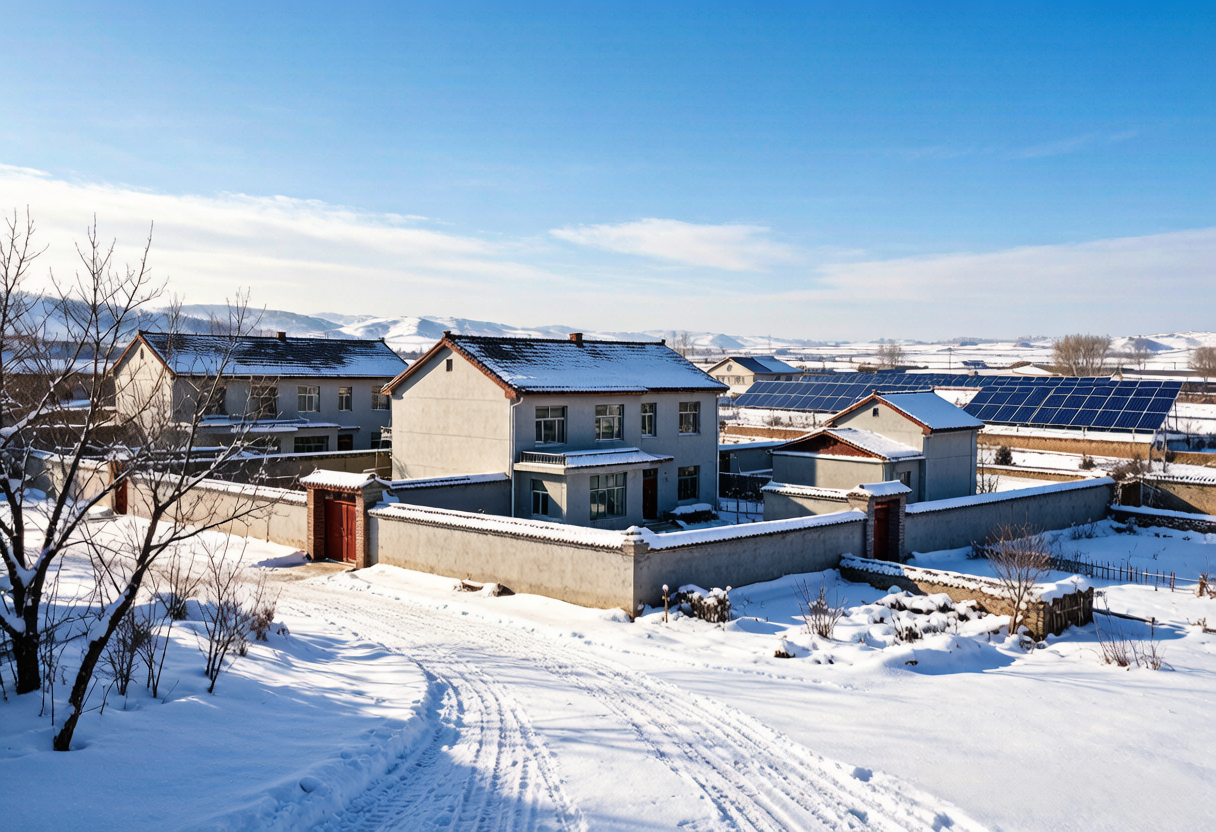
Recently, the National Energy Administration disclosed in its reply (No. 5 of [Year] No. 2026) to Suggestion No. 0868 of the Fourth Session of the 14th National People's Congress that:By the end of 2025, the rate of clean heating in northern China reached 85%, significantly improving air quality.This response, officially issued on 2026/6/10, sends a clear signal of the nation's firm commitment to advancing clean heating.
Central government continues to provide sustained funding, ensuring uninterrupted support for clean heating.
Since 2017, the Ministry of Finance, in coordination with the Ministry of Ecology and Environment, the Ministry of Housing and Urban-Rural Development, and the National Energy Administration, has continuously implemented clean heating projects supported by central fiscal funds. A total of 88 cities have been included in the support scope, with a cumulative allocation of special funds for clean heating totaling1073.8 billion yuan。
Notably, in 2025 12, the Ministry of Finance and the Ministry of Ecology and Environment revised the "Administrative Measures for Air Pollution Prevention and Control Funds," explicitly including the "Beautiful Blue Sky Construction Project" within the scope of fiscal support. The supported content includes:Phase out of outdated boilers, substitution with clean energy, and clean heating solutions.work closely linked to air quality improvement. This means that clean heating will continue to receive sustained central government support during the 15th Five-Year Plan period.
Biomass energy is repeatedly highlighted as a key pathway for clean heating.
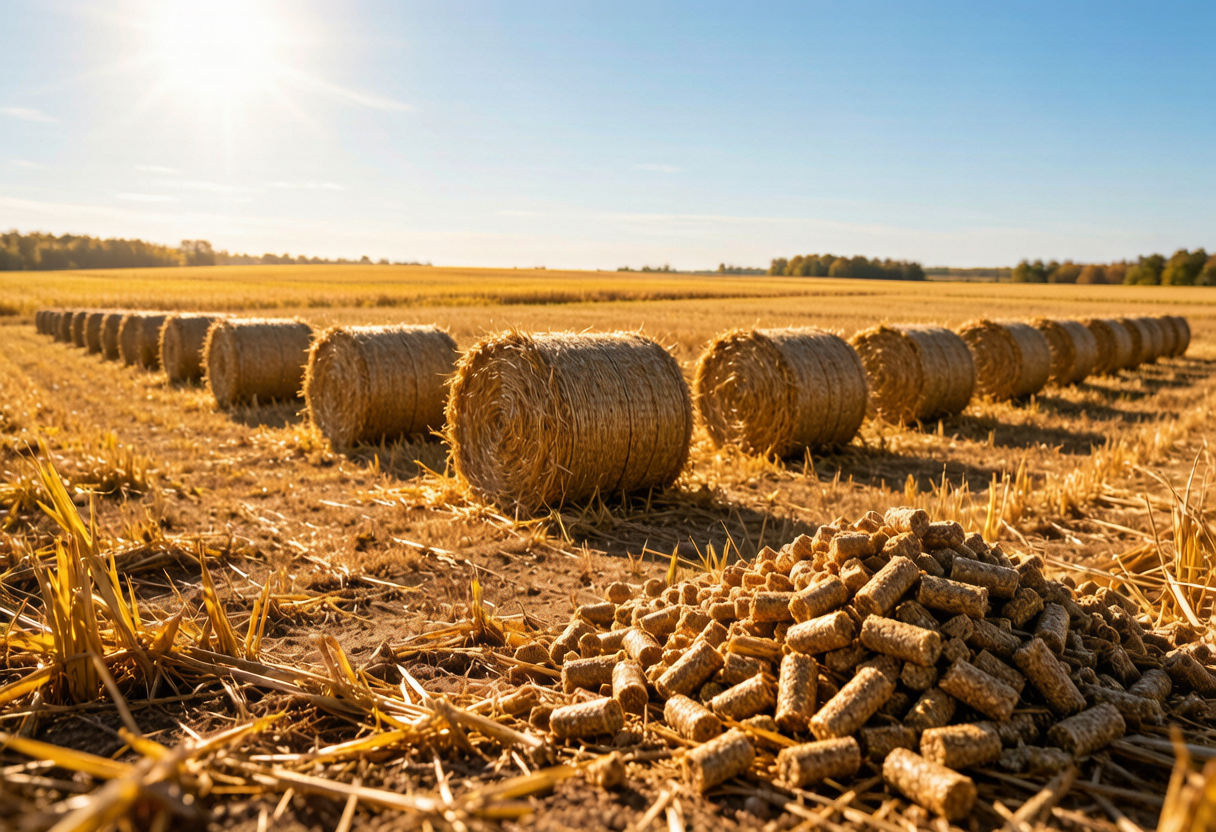
In the national roadmap for clean heating, biomass energy is playing an increasingly prominent role. The National Energy Administration has clarified in its official response that pilot regions have already begun implementation.Multiple effective clean heating models, including natural gas, electricity, biomass energy, and coal-fired combined heat and power (CHP).Biomass energy is recognized by the national government as a mainstream clean heating solution, alongside "coal-to-gas" and "coal-to-electricity" conversions.
The "14th Five-Year Plan for Renewable Energy Development" explicitly states:Promote the rational development of biomass boiler heating systems, primarily using agricultural and forestry biomass and biomass成型 fuels.In rural areas of non-key air pollution prevention regions, local materials may be used in accordance with the principle of sourcing locally.Promote the use of household pellet stoves for heating, tailored to local conditions。
Industry Watch: Biomass Heating Companies Enter a Growth Window
Under favorable policy conditions, companies specializing in clean biomass heating are seizing a rare growth opportunity. Fangran Environmental Protection Technology, for instance, focuses on smart pellet stove R&D and manufacturing. Leveraging advanced biomass pellet combustion technology, it has built a comprehensive product line covering residential, commercial, and industrial applications. Its products feature multiple safety protections, achieve up to 85% thermal efficiency, and operate reliably at altitudes between 0 and 4500 meters. The solutions have already been deployed in clean heating retrofit projects across multiple provinces in Southwest China.
Industry experts note that as the "Dual Carbon" strategy advances and rural energy revolution pilot programs expand, biomass clean heating will play an irreplaceable role in county-level and rural markets where coal-to-electricity and coal-to-gas conversions fall short. The sector is poised to enter a golden age of scaled, standardized growth.
Source:State Administration of Energy's "Reply to Suggestion No. 0868 at the Fourth Session of the 14th National People's Congress" (Guo Neng Jian Dian Li [Year 2026] No. 5); Ministry of Ecology and Environment's "Reply to Suggestion No. 2527 at the Third Session of the 14th National People's Congress"; Ministry of Finance's "Administrative Measures for Air Pollution Prevention Funds" (Revised in Month 12, Year 2025).
DisclaimerThis policy information is compiled from public documents issued by government authorities. For specific policy implementation, please refer to official announcements.