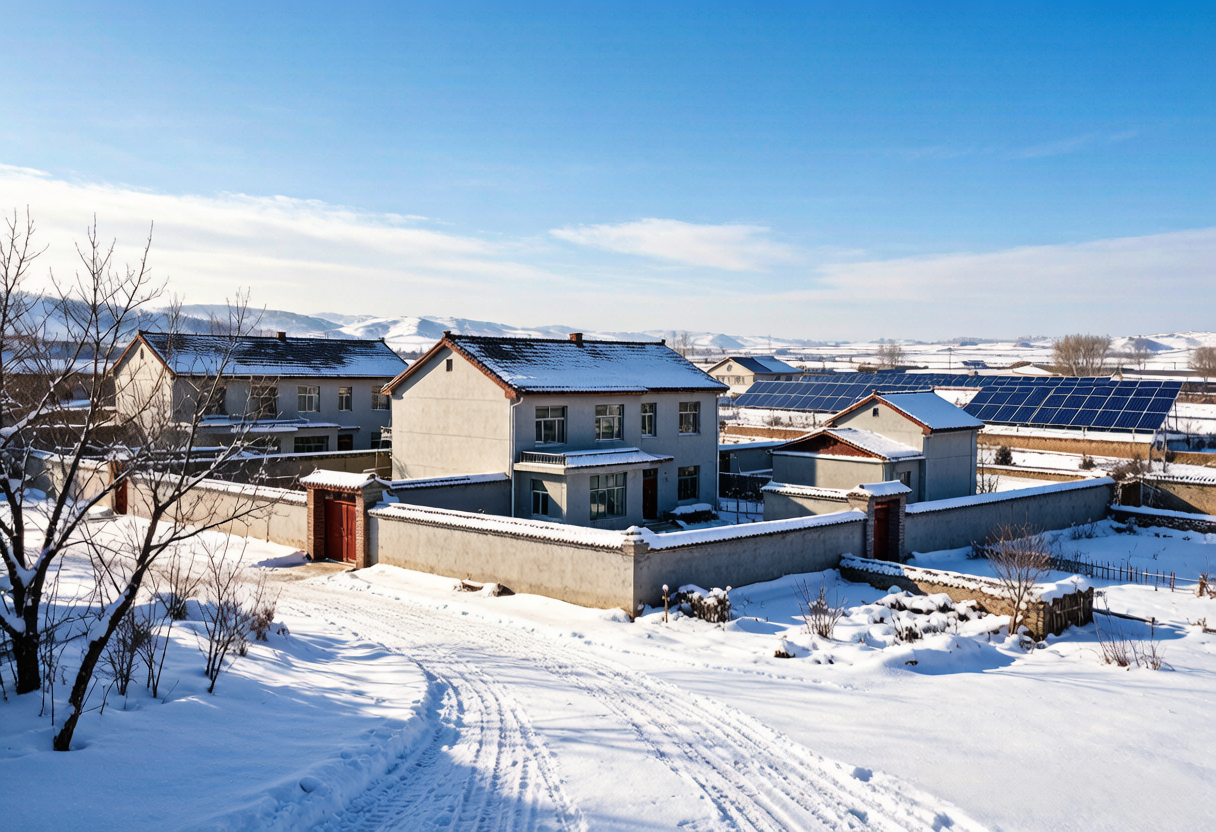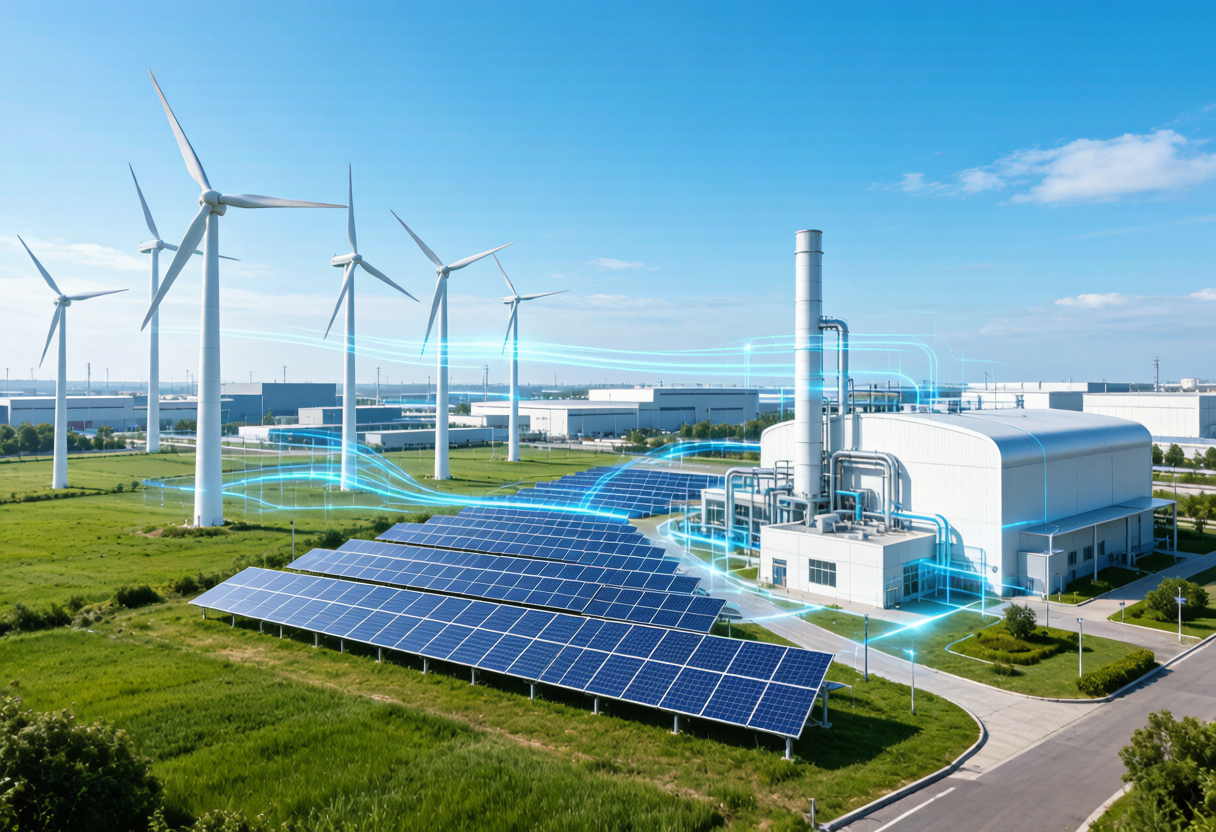

Rural areas are becoming the new frontier for China's energy transition. Since 2023, the National Energy Administration, Ministry of Ecology and Environment, Ministry of Agriculture and Rural Affairs, and other departments have launched two rounds of pilot county projects for rural energy revolution. Currently, 23 counties nationwide have been included in these pilots, accumulating replicable experiences to drive clean, low-carbon energy transformation across rural regions through targeted demonstration.
Policy package: The institutional framework for clean heating in rural areas is becoming increasingly comprehensive.
Long-term mechanism levelThe National Development and Reform Commission and four other ministries jointly issued the "Opinions on Promoting Sustainable Improvement of Clean Heating in Northern China," establishing a long-term mechanism for clean heating.
Technical ApproachThe National Energy Administration has issued the "Notice on Properly Implementing Renewable Energy Heating Based on Local Conditions," actively promoting renewable energy heating technologies such as geothermal, solar, and biomass.
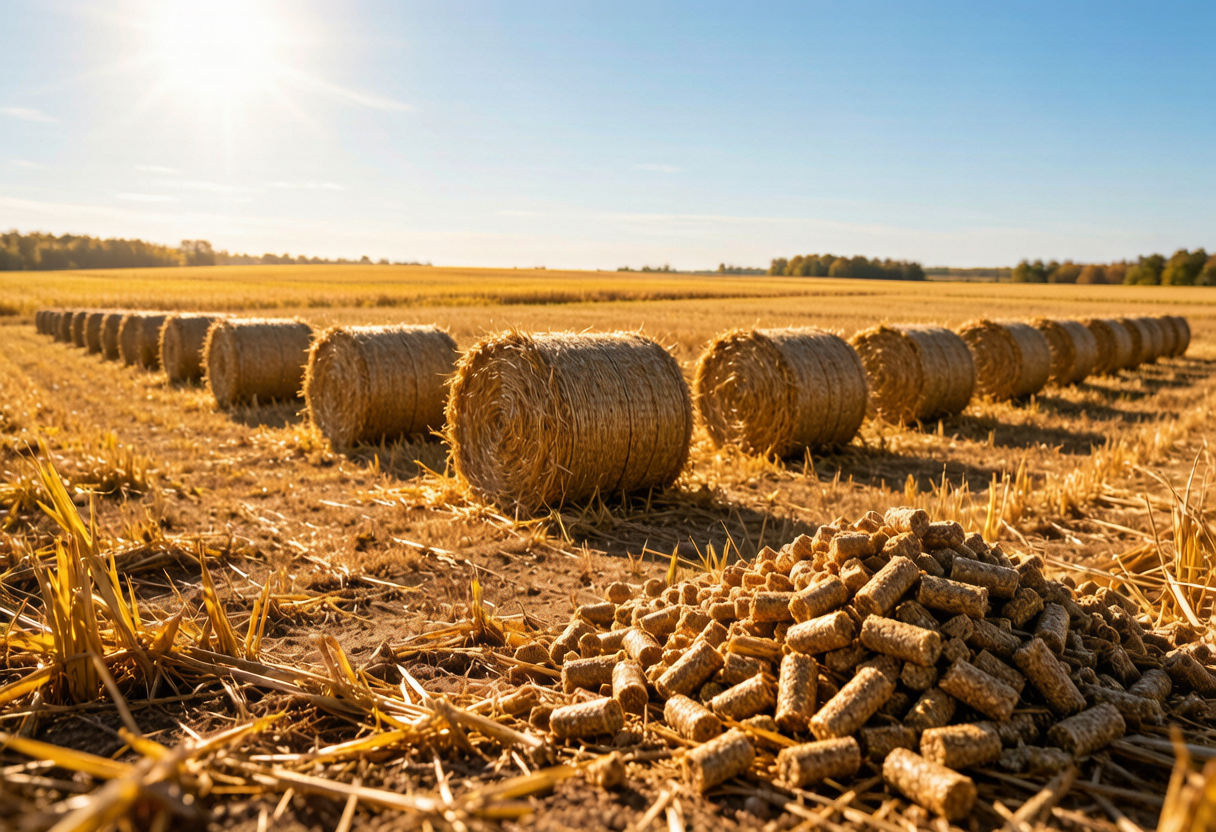
Standard System Level: The Ministry of Agriculture and Rural Affairs has cumulatively formulated or revised over 70 industry standards, including those for household clean stoves and straw baling direct combustion centralized heating; standards such as the "Technical Guidelines for Solar and Biomass Energy Complementary Household Heating Systems" have been incorporated into the formulation and revision plan.
Funding AssuranceCentral funds for atmospheric pollution control continue to support the cleanup of scattered coal in rural areas, having funded 42 projects with a total investment of 4.8 billion yuan.
Why Biomass? The Practical Choice for County Markets
The "14th Five-Year Plan for Renewable Energy Development" outlines a clear technical roadmap: in rural and urban population centers, develop centralized biomass boiler heating appropriately; in non-priority areas for air pollution control in rural regions, promote household-formulated fuel stove heating based on local availability and regional conditions.
Unlike "coal-to-electricity," which faces grid capacity expansion pressures, or "coal-to-gas," constrained by gas supply and costs, biomass heating offers unique advantages: locally sourced fuel, controllable operating costs, and no reliance on pipeline networks. This makes it particularly well-suited for counties and rural areas nationwide. This is the core rationale behind national policies repeatedly emphasizing site-specific promotion of biomass heating.
Accelerating county-level channel expansion as the industry enters a land-grab phase.
Clear market signals are drawing more companies to accelerate their expansion into county-level markets. Fangran Environmental Protection Technology, a specialist in smart biomass pellet stoves, has established an agent network across multiple provinces in Southwest China. Covering six product lines—including residential heating stoves and commercial heating units—the company leverages its high-altitude adaptability up to 0-4500 meters to gain a competitive edge in high-elevation county markets such as Yunnan, Guizhou, Sichuan, Tibet, and Qinghai. Through training programs and after-sales support systems, it helps county-level agents launch quickly and succeed.
Industry forecasts indicate that as pilot experiences in rural energy transformation are replicated and scaled, and the "15th Five-Year Plan" is implemented, the market for clean biomass heating in county areas will accelerate. Companies that establish their channel networks early will gain a competitive advantage.
Source: State Administration of Energy "Summary of Response to Suggestion No. 7259 of the Third Session of the 14th National People's Congress" (2025, Month 7); Ministry of Ecology and Environment "Response to Suggestion No. 2527 of the Third Session of the 14th National People's Congress" (2025, Month 7); State Administration of Energy et al., "Guidance on Sustaining and Improving Clean Heating in Northern China."
DisclaimerThis policy information is compiled from public documents issued by government authorities. For specific policy implementation, please refer to official announcements.